
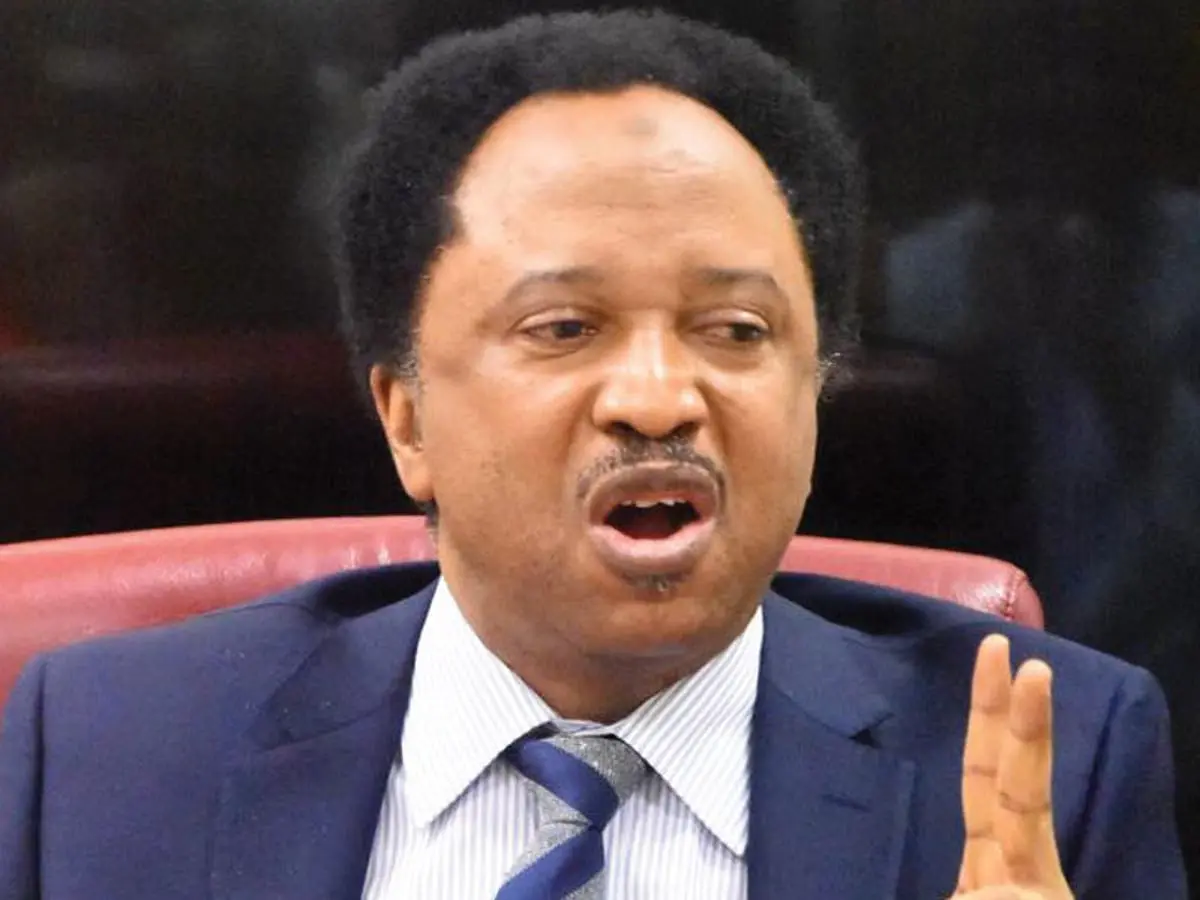
Former Kaduna Central Senator Shehu Sani has offered an explanation for the growing relationship between President Bola Tinubu and some governors elected on opposition platforms, saying political survival is driving the emerging alliances ahead of 2027. Sani specifically mentioned Osun Governor Ademola Adeleke, Anambra Governor Charles Soludo and Abia Governor Alex Otti, arguing that each […]
Former Kaduna Central Senator Shehu Sani has offered an explanation for the growing relationship between President Bola Tinubu and some governors elected on opposition platforms, saying political survival is driving the emerging alliances ahead of 2027.
Sani specifically mentioned Osun Governor Ademola Adeleke, Anambra Governor Charles Soludo and Abia Governor Alex Otti, arguing that each governor has assessed the political landscape and found closer cooperation with Tinubu to be the safer option.
Speaking on Eagle 102.5 FM on Tuesday, Sani said the governors were making strategic decisions based on what would protect their present positions and improve their political prospects in the future.
He argued that the absence of what he described as a credible and viable opposition alternative had made it difficult for opposition governors to completely distance themselves from the President.
According to Sani, Soludo’s situation is particularly complicated because of the limited national reach of the politicians who could potentially lead an opposition coalition. He said an alliance with Atiku Abubakar would not provide Soludo with sufficient political advantage in Anambra.
He further argued that fully aligning with Peter Obi could confine Soludo’s political influence largely to the South-East, rather than giving him access to a broader national political network.
Sani applied a similar argument to Otti, saying the Abia governor could not afford to depend solely on Obi’s popularity in the South-East because presidential elections are contested across the entire country.
The former senator said Otti therefore needed to position Abia within the national political mainstream, making a working relationship with Tinubu strategically useful.
For Adeleke, Sani said the calculation is equally straightforward. He noted that although the Osun governor had recently secured a significant electoral victory, presidential elections involve different voting dynamics.
Sani also cited the reported EFCC controversy involving Osun State funds, saying Tinubu’s intervention demonstrated why maintaining a relationship with the President could be politically beneficial to Adeleke.
He described the relationship between the two politicians as a two-way arrangement, insisting that both men have something to gain from maintaining the alliance.
Sani summed up the political calculation with the statement: “Adeleke needs Tinubu. Tinubu needs Adeleke.”
He advised politicians to prioritise securing their seats and maintaining control of their states before pursuing broader political ambitions, stressing that the approach of 2027 would continue to influence political decisions.
The former senator’s assessment highlights the shifting political alliances emerging ahead of the 2027 presidential election, as opposition politicians weigh regional loyalty, national reach and political survival in deciding where to place their support.