
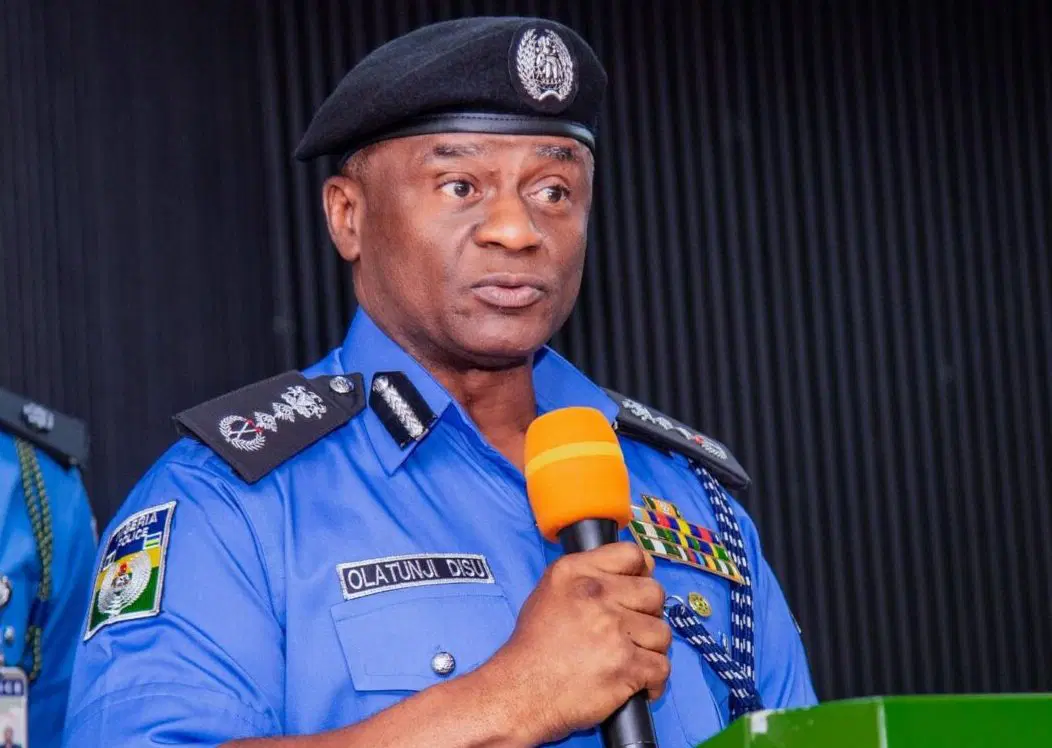
The Nigeria Police Force has pledged to strengthen intelligence gathering, surveillance and security deployment ahead of the 2027 general elections, as political parties raise concerns about violence, alleged interference and obstacles to opposition participation. Inspector-General of Police Olatunji Disu gave the assurance through Deputy Inspector-General Isyaku Mohammed, who represented him at an electoral reform dialogue […]
The Nigeria Police Force has pledged to strengthen intelligence gathering, surveillance and security deployment ahead of the 2027 general elections, as political parties raise concerns about violence, alleged interference and obstacles to opposition participation.
Inspector-General of Police Olatunji Disu gave the assurance through Deputy Inspector-General Isyaku Mohammed, who represented him at an electoral reform dialogue in Abuja on Tuesday.
The meeting featured the presentation of observation reports from the 2026 governorship elections in Ekiti and Osun. It was organised by the European Union Support to Democratic Governance in Nigeria alongside The Kukah Centre, The Albino Foundation Africa, Yiaga Africa, the International Press Centre and the Centre for Media and Society.
Mohammed, who coordinated police security operations during the Osun election, said the experience had shown the importance of careful planning and collaboration among stakeholders. He explained that the police intended to apply the lessons learned to the 2027 general elections.
He said officers would improve patrols and intelligence gathering to identify emerging threats and deploy personnel where necessary. Mohammed also noted that security challenges would differ from one state to another, requiring strategies suited to each location.
The police representative disclosed that personnel were receiving training to improve their response to election-related security challenges. He expressed confidence that the force was preparing for the polls, while hoping the elections would be conducted peacefully.
IPAC Chairman Yusuf Dantalle, however, warned that political interference, electoral violence and restrictions on opposition parties could weaken public confidence in the 2027 elections. He argued that credible elections required more than security arrangements and called attention to alleged shortcomings in the wider electoral process.
Dantalle referred to an alleged incident in Osun in which a serving senator reportedly threatened supporters of another party. He questioned why no prosecution had followed and also criticised what he described as excessive charges imposed on opposition candidates seeking to display campaign billboards.
He further raised concerns about the ability of police officers to resist political pressure, pointing to the role of political authorities in appointing the Inspector-General and considering promotions. He appealed to officers to remember their responsibility to the country and uphold their oath of office regardless of external influence.
Akingbulu, the executive director of the Centre for Media and Society, also called for stronger safeguards, transparency and wider participation. He said lessons from the Ekiti and Osun elections should inform efforts to protect ballot secrecy, ensure accurate results, preserve voters’ freedom of choice and safeguard journalists and election observers. More than 1,400 accredited citizen observers monitored the two polls, he added.