
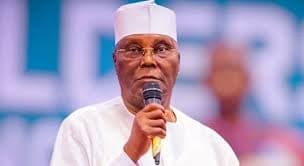
As Nigeria grapples with mounting challenges, Former Vice President Atiku Abubakar is set to engage U.S. officials in high-level talks aimed at addressing Nigeria’s security crisis, economic pressures, and governance concerns. He said the trip will involve discussions with key international stakeholders, aimed at drawing attention to challenges he believes are becoming increasingly severe. Atiku […]
As Nigeria grapples with mounting challenges, Former Vice President Atiku Abubakar is set to engage U.S. officials in high-level talks aimed at addressing Nigeria’s security crisis, economic pressures, and governance concerns.
He said the trip will involve discussions with key international stakeholders, aimed at drawing attention to challenges he believes are becoming increasingly severe.
Atiku described the situation as more than isolated incidents, pointing to persistent violence and insecurity affecting several regions of the country.
He warned that many communities are facing sustained threats, with livelihoods disrupted and citizens left vulnerable amid rising criminal activities.
According to him, the inability to ensure safety reflects a deeper governance issue that could undermine public confidence.
Turning to the economy, Atiku highlighted the impact of inflation, currency weakness and declining purchasing power on ordinary Nigerians.
He argued that policy inconsistency has contributed to uncertainty, making it harder to stabilise the economy and restore confidence.
The former vice president also raised concerns about democratic institutions, noting that reduced trust in governance and elections could create instability if not addressed.
Responding to critics, he rejected suggestions that engaging foreign partners undermines national sovereignty, insisting that global engagement is necessary in an interconnected world.
He stressed that while leadership choices remain the responsibility of Nigerians, international partners still have an interest in the country’s stability.
Atiku called on the government to rethink its approach, urging leaders to prioritise security and economic recovery while rebuilding public trust.
He also encouraged citizens to remain alert and actively demand accountability from those in power.
In a separate remark, Atiku criticised the management of Nigeria’s finances, citing a drop in external reserves despite increased oil earnings.
He described the trend as troubling, warning that using reserves to defend the currency without addressing underlying issues is unsustainable.
The ADC chieftain argued that without structural reforms, efforts to stabilise the naira would fall short.
He added that many Nigerians have yet to feel the impact of oil revenue gains, as rising fuel prices and inflation continue to strain households.
Atiku called for deliberate use of available resources to provide relief, improve food supply systems and support vulnerable citizens.
He concluded by urging investment in long term solutions, including infrastructure development and policies that strengthen non oil sectors.