
The battle over whether Nigerians can record police officers while on duty has taken a fresh turn, with three Senior Advocates of Nigeria insisting that citizens have a legal right to film officers in public spaces despite the Inspector-General of Police’s objections. The SANs, Olu Daramola, Olalekan Ojo and Isiaka Olagunju reacted to comments by […]
The battle over whether Nigerians can record police officers while on duty has taken a fresh turn, with three Senior Advocates of Nigeria insisting that citizens have a legal right to film officers in public spaces despite the Inspector-General of Police’s objections.
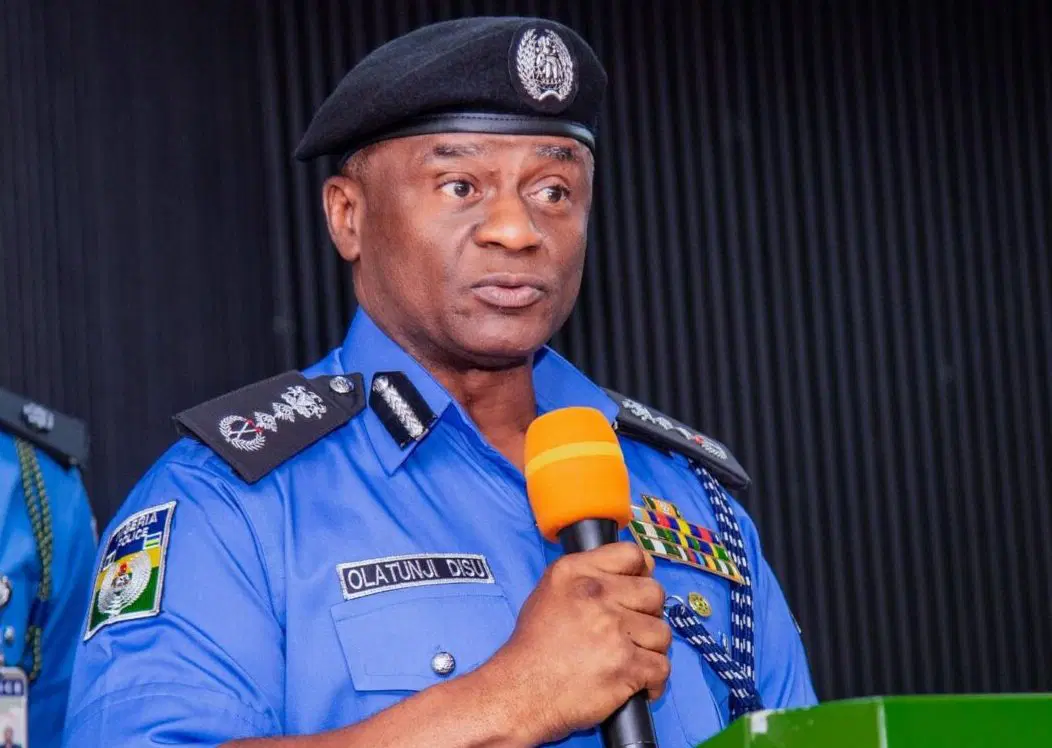
The SANs, Olu Daramola, Olalekan Ojo and Isiaka Olagunju reacted to comments by IGP Olatunji Disu, who had criticised a court position supporting the recording of police activities and described the development as “very, very demoralising” for the police.
Daramola said the issue was no longer open to debate, arguing that a subsisting Federal High Court judgment had already established the right of Nigerians to record police officers performing their duties in public.
He referred specifically to the judgment in Maxwell Uwaifor versus Inspector-General of Police, delivered by Justice Hyeladzira Nganjiwa in March last year.
The Senior Advocate said the ruling not only recognised the public’s right to record police officers but also required officers to display identifiable name tags and force numbers.
He added that the court had ruled against the seizure of mobile phones or deletion of footage recorded by members of the public.
Daramola linked the decision to Section 39 of the 1999 Constitution, which guarantees freedom of expression and the right to receive and impart information.
He, however, acknowledged that citizens exercising the right must not interfere with police officers carrying out lawful duties.
The lawyer also argued that police officers acting within the law should not be threatened by being recorded, noting that body cameras are already used by law-enforcement agencies in other countries to document police activities.
Ojo similarly supported the right of citizens to record police officers, saying recordings can serve as important tools for transparency, accountability and evidence preservation.
According to him, footage captured by members of the public has in some instances helped expose alleged police misconduct and contributed to disciplinary action against erring officers.
He also argued that the possibility of being recorded could make police officers more conscious of their conduct while carrying out their duties.
But Ojo introduced a major caution, warning that the right to record should not come at the expense of personal safety.
He said some officers could react aggressively after discovering that they were being filmed, particularly if they believed the footage could result in disciplinary consequences.
The SAN therefore advised citizens to consider the circumstances before recording, saying people should go ahead where it is safe but avoid filming if doing so could put their lives or safety at serious risk.
Olagunju took a similar but more cautious position, saying the IGP might have valid concerns regarding the privacy and safety of police officers.
He nevertheless maintained that there are situations where citizens should be encouraged to record police officers or other public officials who fail to carry out their duties properly.
He said such footage could provide evidence of misconduct and help strengthen accountability within public institutions.
The lawyers’ comments have therefore sharpened the debate between concerns over police safety and privacy on one hand, and the public’s right to document the activities of government officials on the other.