
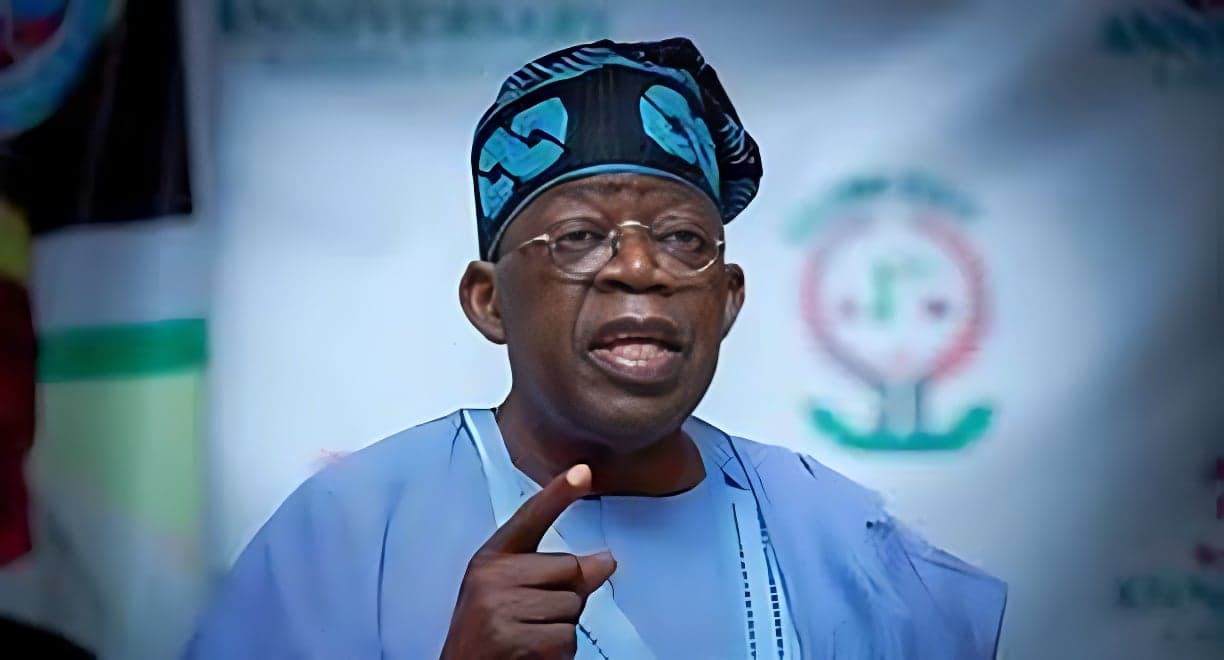
President Bola Ahmed Tinubu has begun implementing measures aimed at softening the effects of increasing fuel prices, as economic pressure continues to mount on Nigerians. Governor Umar Namadi of Jigawa State made this known while addressing residents during the Eid-el-Fitr festivities in Dutse, shortly after receiving the Emir and other traditional rulers. According to a […]
President Bola Ahmed Tinubu has begun implementing measures aimed at softening the effects of increasing fuel prices, as economic pressure continues to mount on Nigerians.
Governor Umar Namadi of Jigawa State made this known while addressing residents during the Eid-el-Fitr festivities in Dutse, shortly after receiving the Emir and other traditional rulers.
According to a statement issued by his Chief Press Secretary, Hamisu Muhammad Gumel, the governor said the president has expressed deep concern over the situation and has already set intervention plans in motion.
He stated that the spike in fuel prices, influenced by ongoing tensions in the Middle East, has triggered higher transportation costs and contributed to the rising cost of living nationwide.
Namadi said Tinubu has responded by directing immediate action, with a strong focus on reducing transport expenses, which have significantly increased in recent weeks.
“The President understands the weight of this development on Nigerians and has begun taking steps to minimise its impact, especially through transportation-related interventions,” the governor stated.
He further explained that authorities are considering alternative solutions that could help lower commuting costs and ease financial pressure on citizens.
The governor added that the Jigawa State Government will support the Federal Government’s efforts through targeted programmes and policies aimed at assisting residents during this period.
Despite current challenges, Namadi expressed confidence that ongoing interventions will help ease hardship and improve living conditions over time.
Public anxiety has continued to grow as fuel price increases affect multiple sectors, driving up the cost of goods, services and daily transportation across the country.