
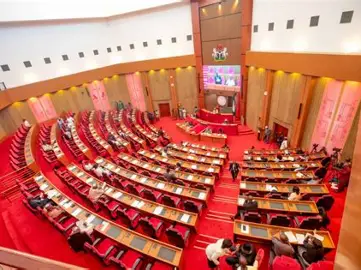
The Senate has assured Nigerians that a law establishing state police will be enacted before the end of 2026, as the constitutional amendment has secured the required approval from 24 state assemblies and Ondo lawmakers have now passed the bill. Yemi Adaramodu, Chairman of the Senate Committee on Media and Public Affairs, said the National […]
The Senate has assured Nigerians that a law establishing state police will be enacted before the end of 2026, as the constitutional amendment has secured the required approval from 24 state assemblies and Ondo lawmakers have now passed the bill.
Yemi Adaramodu, Chairman of the Senate Committee on Media and Public Affairs, said the National Assembly was determined to conclude the process before lawmakers proceed on their Christmas break. He described state police as a major priority in the ongoing constitutional review.
Adaramodu explained that the Senate would consider the proposed legislation once the necessary documents and proposals were formally received from the executive. He said lawmakers remained committed to delivering the new policing framework within the promised timeline.
The latest state-level approval came from Ondo State, where lawmakers passed the Constitution of the Federal Republic of Nigeria, 1999 (Sixth Alteration) Bill, 2026, during Monday’s plenary. The bill passed after second and third readings, with all members present voting in support.
The development follows approvals by 24 other state assemblies, meeting the constitutional requirement for the National Assembly to proceed with the amendment. Senator Victor Umeh said the submissions would return to the National Assembly for verification before lawmakers continue with the next stage of the process.
At the executive level, the Presidential Working Group on the National Policing Bill has submitted the draft National Policing Bill, 2026, and 29 related amendment bills to the Ministry of Justice for review and validation. The documents are expected to undergo further consideration before being presented to President Bola Tinubu.
The working group, led by Chief of Staff to the President Femi Gbajabiamila, expects the ministry to return the validated drafts by October 30. Gbajabiamila had earlier said the bill was 90 per cent ready and would be sent to the National Assembly on October 29.
However, Adaramodu declined to confirm whether the Senate would meet the executive’s proposed timeline, saying lawmakers would wait for formal communication. He clarified that the 30-day period given to state legislatures was for submitting their inputs, which the National Assembly would consider during its review.
Umeh defended the proposed decentralisation of policing, arguing that Nigeria’s size made it difficult for a single centralised force to address security challenges across all communities effectively. He said state-based commands could improve local intelligence gathering and help security personnel respond more quickly to threats.
The proposed constitutional amendment seeks to replace the existing Nigeria Police Force with a Federal Police Service and State Police Services through an alteration to Section 214 of the Constitution. Although the National Assembly has passed the bill and state approval has reached the required threshold, the legislative process must be completed before the new arrangement can become law.