Seyi Tinubu has admitted that President Bola Tinubu’s economic reforms have brought immediate hardship to Nigerian families, but maintained that the policies are intended to create lasting improvements and better opportunities for younger generations. The President’s son spoke on Monday during the inaugural Seyi Tinubu Colloquium at Eko Hotel and Suites in Lagos, an event […]
Seyi Tinubu has admitted that President Bola Tinubu’s economic reforms have brought immediate hardship to Nigerian families, but maintained that the policies are intended to create lasting improvements and better opportunities for younger generations.
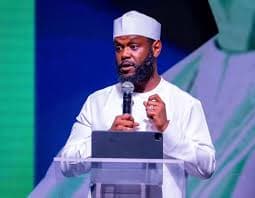
The President’s son spoke on Monday during the inaugural Seyi Tinubu Colloquium at Eko Hotel and Suites in Lagos, an event themed “Shaping the Future Together” that brought participants together to discuss national development and youth involvement in governance.
In his welcome address, Seyi reflected on the responsibility of each generation to shape the country it would eventually hand over to those coming after it, saying decisions taken today would influence Nigeria’s future.
He defended the administration’s willingness to confront the country’s economic challenges, arguing that President Tinubu’s policies were designed to address national problems and provide a foundation for future generations.
According to Seyi, the removal of the petrol subsidy, changes to the foreign exchange system and tax reforms were significant decisions affecting how the country manages its finances and creates economic opportunities.
He nevertheless acknowledged the difficulties many Nigerians have experienced during the reform process, particularly households whose budgets have come under pressure.
“Changes have not been easy. Families whose budgets have been stretched, the pain was immediate, the lasting improvement more difficult to feel and touch, yet they are no less real,” he said.
Seyi argued that the long-term benefits of the reforms could become more evident through sustained investment in infrastructure and productive sectors of the economy.
He pointed to roads and highways, alongside investment in power, mining, manufacturing and agriculture, as areas that could boost productivity, improve access to markets and support job creation.
The President’s son also highlighted the need for stronger institutions capable of expanding access to education and credit, saying these would help Nigerians compete more effectively in the global economy.
“A road built today will serve people who are still children. An institution strengthened today can protect opportunities for Nigerians yet unborn,” he said.
Seyi openly expressed support for his father’s economic agenda, explaining that young people needed an economy in which their efforts and hard work could lead to tangible rewards.
“I support President Bola Ahmed Tinubu’s reforms because we will inherit a future built by leaders of today,” he stated.
He added that young Nigerians should not remain passive observers of governance but should participate in leadership and ensure that decisions made by the current generation serve the interests of those who will inherit the country.