
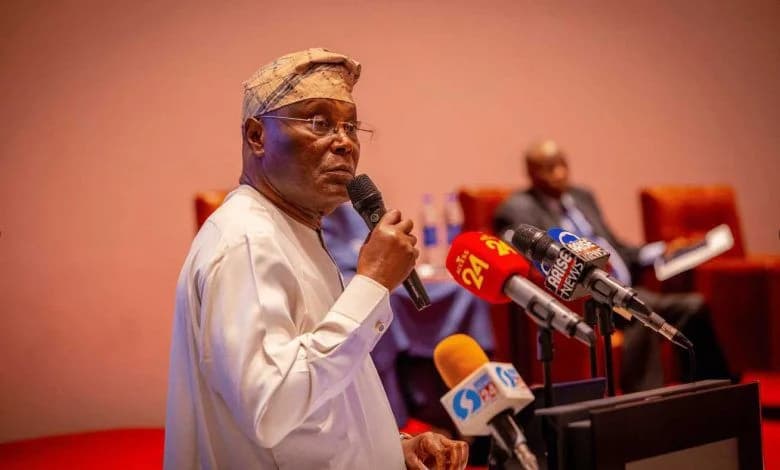
The camp of ADC presidential candidate Atiku Abubakar has questioned the implementation of President Bola Tinubu’s promised transport fare reduction, asking where Nigerians can see the nationwide impact as the October 1 deadline passed without the expected relief. Atiku’s media aide, Paul Ibe, raised the issue in a post on his verified X account on […]
The camp of ADC presidential candidate Atiku Abubakar has questioned the implementation of President Bola Tinubu’s promised transport fare reduction, asking where Nigerians can see the nationwide impact as the October 1 deadline passed without the expected relief.
Atiku’s media aide, Paul Ibe, raised the issue in a post on his verified X account on Thursday, challenging the Federal Government to demonstrate the reduction promised to Nigerians.
Tinubu had announced in September that commuters should begin experiencing measurable reductions in transportation costs from October 1 through the National Affordable CNG Transit Programme.
The President had also directed state governments to collaborate with transport unions and operators to ensure that savings from cheaper Compressed Natural Gas, CNG, were reflected in the fares paid by commuters.
Reacting to the development, Ibe asked, “October 1 is here. But where is Tinubu’s promised transport fare reduction effective today?”
He further questioned whether the government had achieved a measurable reduction in transport fares across the country, arguing that the benefits of the CNG programme had not yet reached Nigerians nationwide.
According to Ibe, while the government had reported progress in converting vehicles to CNG and reducing fares on some routes, the programme’s coverage remained limited.
He pointed to gaps in CNG infrastructure, including refuelling facilities and vehicle conversion centres, as challenges that could affect the wider implementation of the programme.
The criticism came as a PUNCH report published on October 2 indicated that transport fares had remained unchanged in several states despite the October 1 target. However, some states had introduced subsidised or free CNG-powered transport services.
The Federal Government has continued to highlight areas where the CNG initiative has already resulted in lower transportation costs. Tinubu said commuters on selected routes in Borno, Oyo, Enugu, Adamawa and Plateau states had benefited from reduced fares.
In Abuja, the President said passengers using CNG-converted commercial vehicles on some routes had enjoyed a 40 per cent reduction in fares, including routes connecting Area 1, Gwagwalada, Nyanya and Wuse.
The government has also reported that more than 120,000 vehicles have been converted to CNG as part of efforts to expand the use of cheaper alternative energy for transportation.
Tinubu has maintained that the expansion of CNG and other alternative energy sources is important to reducing transportation costs, particularly amid high petrol and diesel prices.
Atiku’s camp, however, is seeking a broader nationwide impact, insisting that the success of the policy should ultimately be reflected in the fares Nigerians pay daily.
The disagreement highlights the continuing debate over the implementation and reach of the Tinubu administration’s CNG programme, with the government pointing to progress in selected areas while opposition figures question whether the benefits have reached commuters across the country.